
The Mechanics Behind Personal Training

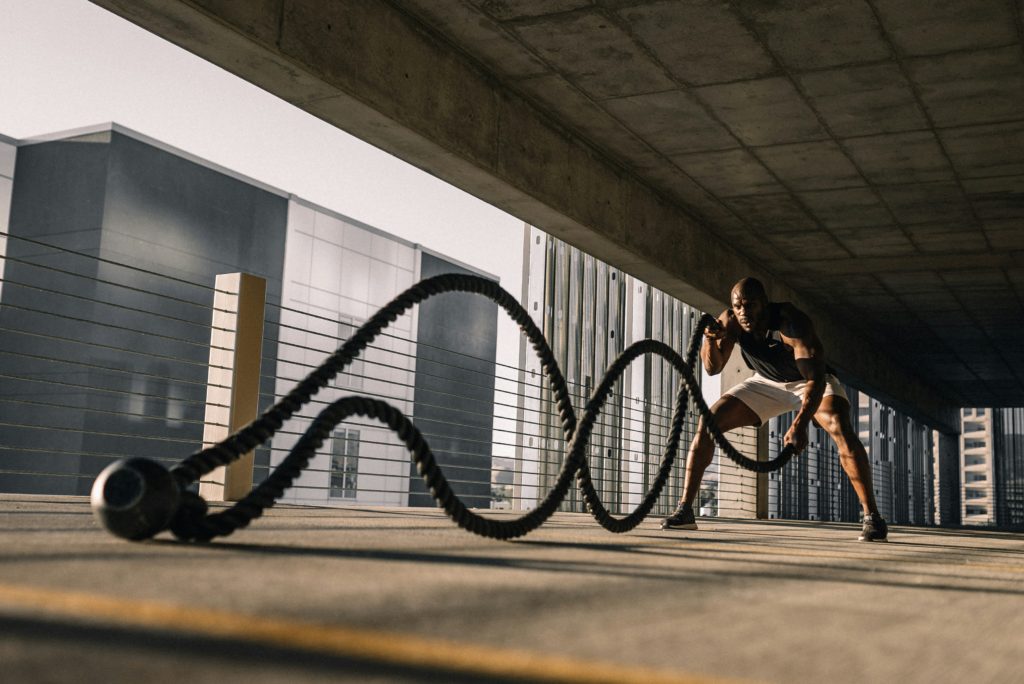
Understanding the Mechanics behind personal training of Human Muscles, Joints, and Movement and how it’s related
Hello, fellow enthusiasts of human physiology!
Today, let’s dive into the fascinating world of biomechanics and explore the intricacies of our muscles, joints, and the mechanics behind our movement.
Let’s begin with muscles
The powerhouse behind our every action. Consider the biceps brachii, for instance. This muscle contracts to flex the forearm, allowing us to perform tasks like lifting objects or bending our elbows. Or think about the quadriceps femoris group, which extends the knee during activities like walking, running, or climbing stairs. Each muscle operates through a complex interplay of motor neurons, muscle fibers, and energy metabolism, converting chemical energy into mechanical force.
Now, onto joints
The articulations that enable movement between bones. Take the elbow joint, for example. It’s a hinge joint that allows for flexion and extension of the forearm relative to the upper arm. Ligaments provide stability to the joint, while synovial fluid lubricates and reduces friction during movement. Similarly, the hip joint is a ball-and-socket joint that permits a wide range of motion, from flexion and extension to abduction and adduction, facilitating activities like walking, squatting, and kicking.
But it’s not just about individual muscles and joints; it’s about how they work together to produce coordinated movement. Consider the biomechanics of walking, for instance. It involves a complex sequence of muscle contractions and joint movements, including hip flexion, knee extension, and ankle plantarflexion, all coordinated to propel the body forward with efficiency and stability.

In sports and exercise, understanding biomechanics is crucial for optimiing performance and minimizing the risk of injury. Athletes and coaches analyze movement patterns, joint angles, and muscle activation to enhance technique and efficiency in activities like running, jumping, and lifting.
So, whether you’re na athlete, a fitness enthusiast, or simply curious about the mechanics of human movement, remember that there’s a fascinating world of biomechanics waiting to be explored. By understanding the intricate workings of our muscles, joints, and movement patterns, we gain insight into the remarkable capabilities of the human body.
Until next time, keep moving, keep learning, and never stop exploring the fascinating mechanics of human physiology.
Best regards,
Ricardo Saudade e Silva
Personal Trainer in Lisbon – Physiologist and Biomechanics Enthusiast
Interested in Personal Training? Book a free session with me.